12 Common SEO mistakes to avoid include neglecting keyword research, leading to poor targeting and low visibility in search results. Overlooking on-page optimization elements like Meta tags, headings, and image alt attributes can also hinder search engine rankings. Ignoring the importance of quality content and instead focusing solely on keyword stuffing can result in penalties from search engines. Furthermore, neglecting mobile optimization can lead to a poor user experience and lower rankings in mobile search results. Lastly, failing to regularly monitor and analyze SEO performance can prevent timely adjustments to improve results. Updated September 2026 with current best practices.
Here are 4 major SEO mistakes bloggers should avoid
- Technical SEO
- Content
- On-Page Optimization
- Off-Page Optimization
1. Technical SEO
Technical SEO refers to optimizing your website’s infrastructure and backend to improve its search engine visibility and usability. It involves optimizing factors such as site speed, mobile-friendliness, crawl ability, index ability, and site architecture. Technical SEO ensures search engines can easily access, crawl, and index your website’s content, leading to better rankings and visibility in search engine results pages (SERPs). By addressing technical aspects like structured data mark-up, XML sitemaps, and canonicalization, technical SEO tool helps search engines understand and rank your website’s content more effectively, ultimately enhancing the overall user experience and driving organic traffic to your site.
There are 4 types of common mistakes in technical SEO that people should avoid.
i. Ignoring Mobile Optimization
Mobile optimization is the practice of designing and formatting a website so it functions seamlessly on smartphone and tablet screens.
Ignoring mobile optimization is a critical mistake in today’s digital landscape. With the majority of internet users accessing content on mobile devices, neglecting mobile optimization can lead to poor user experiences and decreased search engine rankings. Key points to consider include responsive design to ensure proper display across various screen sizes, optimizing page speed for mobile devices, and implementing mobile-friendly navigation and touch elements. Failing to prioritize mobile optimization can result in higher bounce rates, lower conversions, and diminished organic traffic, ultimately hindering the overall success and visibility of your website.
To fix this: run your page through Google’s free Mobile-Friendly Test, check tap-target spacing (buttons shouldn’t be too close together), and make sure fonts are at least 16px so users don’t need to zoom. Aim for a “Good” rating in Google Search Console’s Mobile Usability report.

ii. Slow Site Speed
Site speed is the measure of how quickly a web page loads and renders its content for a user.
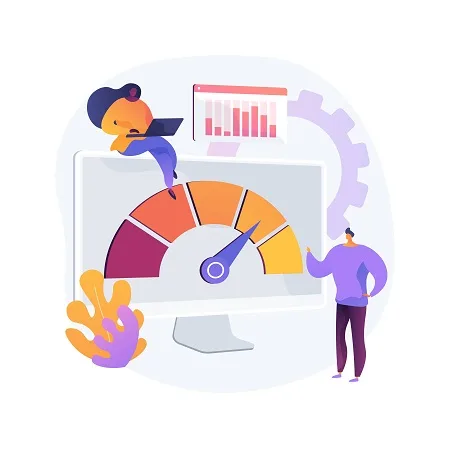
Slow site speed significantly impacts user experience and SEO. It frustrates visitors, leading to higher bounce rates and lower conversions. Additionally, search engines prioritize faster-loading sites, affecting rankings. Key factors influencing site speed include optimizing image sizes, leveraging browser caching, and minimizing server response time. Neglecting site speed optimization can result in decreased organic traffic and hinder website performance and competitiveness.
To fix this: test your page on PageSpeed Insights and aim for a score of 90+ on mobile. The three biggest wins are usually compressing images to WebP format, enabling a caching plugin like WP Rocket or LiteSpeed Cache, and removing unused plugins that load extra scripts.
iii. Poor Website Structure
Website structure refers to how a site’s pages are organized, linked, and layered together in a logical hierarchy.
A poor website structure can hamper user experience and SEO efforts. It confuses visitors, making navigation difficult and discouraging engagement. Search engines struggle to crawl and index content efficiently, affecting rankings. Important aspects of a good website structure include logical hierarchy, clear navigation menus, and organized URLs. Neglecting website structure optimization can lead to higher bounce rates, decreased time on site, and lower conversion rates. Ensuring a well-structured website enhances user satisfaction, facilitates search engine visibility, and improves overall website performance.
To fix this: keep your URL structure shallow (e.g., yoursite.com/category/post-name, not 4-5 folders deep), use a clear main menu with no more than 7-8 items, and add internal links from old posts to new related posts so both users and Google can navigate your site easily.

iv. Duplicate Content Issues
Duplicate content refers to substantial blocks of matching text that appear on more than one web page on the internet or within the same domain.
Publishing identical or substantially similar text across multiple URLs confuses search engine crawlers and dilutes your page ranking authority. It confuses search engines, impacting rankings and potentially leading to penalties. Common causes include boilerplate content, URL variations, and syndicated content. Addressing duplicate content involves using canonical tags, 301 redirects, and setting preferred domains in Google Search Console. Failure to resolve duplicate content issues can result in diluted ranking signals, decreased organic traffic, and compromised user experience. Regularly auditing and resolving duplicate content issues is essential for maintaining strong SEO performance and website credibility.
To fix this: check Google Search Console’s “Page Indexing” report for duplicate/alternate pages. Set a canonical tag on the preferred version of any similar pages (Yoast/RankMath does this automatically per post), and avoid publishing near-identical content across multiple category pages.

2. Content
Content is a pivotal aspect of SEO, yet common mistakes include thin or irrelevant content, keyword stuffing, and lack of originality. Thin content lacks depth and value, failing to satisfy user intent or provide comprehensive information. Keyword stuffing involves excessively using keywords to manipulate search rankings, leading to poor user experience and potential penalties. Original, high-quality content is crucial for engaging users and earning backlinks. Ignoring content optimization for search intent and user relevance can hinder SEO efforts, resulting in lower rankings and decreased organic traffic. Effective content strategy and optimization are essential for successful SEO outcomes.
Here are 3 common mistakes in SEO content
i. Not Researching Keywords
Keyword research is the process of finding and analyzing search terms that people enter into search engines to optimize content for target audiences.
Not researching keywords is a critical SEO mistake. It leads to targeting irrelevant terms, missing valuable opportunities, and ineffective content optimization. Keyword research informs content creation, helping identify high-traffic and low-competition terms to target. Without proper research, websites may struggle to rank for relevant searches, impacting organic visibility and traffic. Additionally, overlooking long-tail keywords and user intent can further diminish SEO performance. Comprehensive keyword research guides content strategy, improves search engine rankings, and enhances overall website visibility and relevance. Therefore, neglecting keyword research can significantly hinder the effectiveness of SEO efforts.
To fix this: before writing, search your target keyword and check what’s already ranking on page 1 — that shows you real search intent. Free tools like Google Keyword Planner, AnswerThePublic, or even Google’s “People also ask” box can reveal related long-tail keywords worth targeting.

ii. Focus on Quantity over Quality
Quality content optimization is the practice of publishing comprehensive, high-value articles that solve user intent rather than pumping out high volumes of thin posts.
Prioritizing quantity over quality in SEO content is a detrimental mistake. It leads to low-value, superficial content that fails to engage users or satisfy search intent. Instead of focusing on creating meaningful, informative content, this approach aims to produce as much content as possible. However, search engines prioritize quality over quantity, rewarding well-researched, insightful content with higher rankings and visibility. Neglecting quality in favor of quantity diminishes user experience, decreases organic traffic, and undermines overall SEO effectiveness. Therefore, it’s crucial to prioritize quality content creation to achieve sustainable SEO success.
To fix this: instead of publishing 5 short posts a week, publish 1-2 posts that fully answer the topic with examples, screenshots, or data. A 2,000-word post that thoroughly solves a problem will consistently outrank three 500-word posts that only skim the surface.

iii. Skipping Meta Title and Description Optimization
Meta titles and descriptions are HTML tags that define a web page’s title and summary snippet shown in search engine results pages (SERPs).
Skipping Meta title and description optimization is a significant SEO content mistake. These elements directly impact search engine rankings and click-through rates. Without optimizing meta titles and descriptions with relevant keywords and compelling messaging, websites miss opportunities to attract users and improve visibility in search results. Neglecting these vital components results in generic, unappealing snippets that fail to entice users to click through to the website. Properly optimized meta titles and descriptions enhance organic traffic, increase click-through rates, and improve overall SEO performance. Therefore, it’s essential to prioritize Meta title and description optimization for effective SEO content strategy.
To fix this: keep titles under 60 characters and descriptions under 155 characters so they don’t get cut off in search results. Include the main keyword naturally in both, and write the description like an ad — give the reader a reason to click, not just a topic label.

3. On-page Optimization
Neglecting on-page optimization is a detrimental SEO mistake. It involves overlooking crucial elements such as Meta tags, headings, and content structure. Ignoring on-page optimization diminishes the relevance and visibility of web pages in search engine results. Poorly optimized meta tags and headings hinder search engines from understanding the content’s context and relevance. Furthermore, neglecting content structure and formatting decreases user experience and engagement. Failing to implement on-page optimization techniques leads to lower search rankings, reduced organic traffic, and missed opportunities for website visibility and growth. Therefore, prioritizing on-page optimization is essential for effective SEO strategy and improved website performance.
Here are 3 serious mistakes in On-Page Optimization in SEO that bloggers should avoid
i. Over Using Keywords
Keyword stuffing is the practice of loading a webpage with keywords or numbers in an attempt to manipulate a site’s ranking in Google search results.
Overusing keywords is a common on-page optimization mistake. It involves excessively inserting keywords into content, Meta tags, and headings in an attempt to manipulate search engine rankings. However, this practice results in keyword stuffing, which diminishes the quality and readability of the content. Search engines penalize keyword stuffing, leading to lower rankings and decreased organic traffic. Additionally, it creates a poor user experience, as the content appears unnatural and spammy. Instead of overusing keywords, focus on incorporating them naturally and strategically to enhance relevance and readability while avoiding penalties and maintaining user engagement.
To fix this: use your main keyword naturally — once in the title, once in the first paragraph, and a few times through the body (roughly 1-2% keyword density). If a sentence sounds unnatural when read aloud, you’re likely over-optimizing it.

ii. Neglecting Header Tags
Header tags (H1, H2, H3) are HTML structural markers used to create a clear heading hierarchy for both users and search engine crawlers.
Neglecting header tags is a critical on-page optimization mistake. Header tags, such as H1, H2, and H3, provide structure and hierarchy to content, aiding both users and search engines in understanding the page’s organization and key points. Failure to utilize header tags properly can result in unclear content structure and diminished user experience. Additionally, search engines rely on header tags to determine the relevance and importance of content, impacting rankings. By neglecting header tags, websites miss opportunities to improve readability, enhance SEO performance, and better communicate their content to both users and search engines.
To fix this: use exactly one H1 per page (your title), then break content into H2s for main sections and H3s for sub-points — the way this article itself is structured. Never skip a level (e.g., going from H2 straight to H4).
iii. Broken Links
Broken links (404 errors) are hyperlinks on a web page that point to non-existent, moved, or deleted web resources.
Hyperlinks that lead to non-existent or deleted pages harm your user experience and prevent search engines from crawling your site efficiently. They occur when hyperlinks lead to non-existent or inaccessible pages, resulting in a poor user experience and negatively impacting SEO. Broken links frustrate visitors and hinder navigation, leading to increased bounce rates and diminished trust in the website. Additionally, search engines encounter difficulties crawling and indexing content affected by broken links, potentially harming rankings. Regularly monitoring and fixing broken links is crucial for maintaining a seamless user experience, preserving SEO integrity, and ensuring the overall effectiveness of on-page optimization efforts.
To fix this: run a free scan with Screaming Frog (free up to 500 URLs) or the “Broken Link Checker” WordPress plugin every 2-3 months, and either fix, update, or 301-redirect any dead links you find.

4. Off-Page Optimization
Neglecting off-page optimization is a significant SEO mistake. Off-page optimization encompasses strategies to improve a website’s authority and reputation through external factors such as do-follow backlinks and social signals. Ignoring off-page optimization deprives websites of valuable opportunities to enhance their credibility, relevance, and visibility in search engine results. Failure to invest in off-page optimization can result in lower rankings, reduced organic traffic, and missed opportunities for growth and expansion. By neglecting off-page optimization, websites miss out on crucial opportunities to strengthen their online presence and compete effectively in the digital landscape.
You should avoid these 3 types of off-page optimization mistakes
i. Not Building Quality Backlinks
Backlinks are inbound hyperlinks pointing from external websites to your web pages, acting as digital votes of authority and trust for search engines.
Not building quality backlinks is a critical off-page optimization mistake. Quality backlinks from authoritative and relevant websites signal to search engines that your site is trustworthy and valuable. Neglecting to acquire quality backlinks hinders website credibility and authority, impacting search engine rankings and organic traffic. Low-quality or spammy backlinks can even result in penalties from search engines. Focusing on quantity over quality in backlink-building efforts can also harm SEO performance. By not prioritizing the acquisition of high-quality backlinks, websites miss out on opportunities to enhance their online visibility, authority, and ultimately, their success in search engine rankings.
To fix this: focus on getting links from relevant, real websites in your niche — through guest posts, HARO/journalist requests, or being listed in resource roundups — rather than buying links in bulk, which can trigger a Google penalty.

ii. Ignoring Social Media Signals
Social media signals represent the organic traffic, shares, engagement, and overall brand presence generated from social media channels.
Ignoring social media signals is a significant off-page optimization mistake. Social media signals, such as likes, shares, and comments, indicate user engagement and endorsement of your content. Neglecting to leverage social media platforms diminishes opportunities to amplify your online presence, drive traffic to your website, and improve search engine rankings. Ignoring social media signals also limits opportunities for building brand awareness and fostering relationships with your audience. By disregarding social media as part of your off-page optimization strategy, you miss out on valuable opportunities to enhance your website’s visibility, credibility, and overall success in the digital landscape.
To fix this: share every new post on your active social channels (Facebook, LinkedIn, Pinterest — since you already have these) within 24 hours of publishing, and add social share buttons to your posts so readers can share easily.
Similarly, managing your business’s professional pages efficiently — like setting up LinkedIn Business Manager — avoids access and admin-related headaches.

iii. Forgetting Local SEO
Local SEO is the process of optimizing a business’s online presence to rank higher in location-based search results and Google Maps listings.
Forgetting local SEO is a critical off-page optimization mistake. Local SEO involves optimizing your website and online presence to attract local customers and improve visibility in local search results. Ignoring local SEO means missing out on opportunities to reach potential customers in your geographic area and losing out to competitors who prioritize local optimization. Important aspects of local SEO include claiming and optimizing Google My Business listings, obtaining local citations, and garnering positive reviews. By overlooking local SEO efforts, businesses limit their visibility and competitiveness in local markets, ultimately hindering their overall online success and potential for growth.
To fix this: if you serve a specific location or work with local clients, claim and fully complete your Google Business Profile, keep your name/address/phone consistent everywhere online, and ask satisfied clients for Google reviews.

Benefits of Avoiding SEO Mistakes
If you follow these given Avoiding SEO mistakes you get numerous benefits, including improved search engine rankings, enhanced visibility, increased organic traffic, better user experience, higher conversion rates, and increased online credibility. It helps establish a solid foundation for long-term digital success, ensuring sustained growth and competitiveness in the digital landscape.
FAQs
The biggest mistake is skipping keyword research and publishing content without knowing what people actually search for. This leads to low-traffic pages that never rank, no matter how well-written they are. Always research search intent and keyword volume before writing, using free tools like Google Keyword Planner or AnswerThePublic.
Check Google Search Console’s Page Indexing report to find duplicate or near-identical pages. Set a canonical tag on your preferred version (Yoast/RankMath does this automatically), merge or rewrite overlapping posts, and use 301 redirects for outdated duplicate URLs pointing to the main page.
On-page SEO covers everything you control directly on your website — titles, headings, content quality, internal links, and meta tags. Off-page SEO covers external signals like backlinks, social shares, and brand mentions from other websites. Both work together; strong on-page content earns better off-page results.
Review and refresh important posts every 6-12 months, especially for fast-changing topics like SEO, technology, or finance. Update outdated statistics, add new sections, fix broken links, and change the “last updated” date. Google and AI search tools both favor content that stays current over time.
Yes. Search engines can easily detect unnatural keyword repetition and will rank keyword-stuffed pages lower, sometimes with a manual penalty. Instead, use your target keyword naturally in the title, first paragraph, and a few times in the body — write for readers first, search engines second.